Castrol EDGE Euro Car 0W-20
How to Change to BMW Longlife-17 FE+
Switching to BMW Longlife-17 FE+ is a straightforward process, but it is essential to follow the proper steps to ensure optimal results.
Preparation
Before changing the oil, gather all necessary tools and materials, including the correct grade of BMW Longlife-17 FE+, a new oil filter, a wrench, and a drain pan. Make sure the vehicle is on a level surface and the engine is warm to allow for easier oil flow.
Draining the Old Oil
- Place the drain pan under the oil drain plug.
- Use the wrench to remove the drain plug and allow the old oil to drain completely.
- Replace the drain plug securely once all the oil has drained.
Replacing the Oil Filter
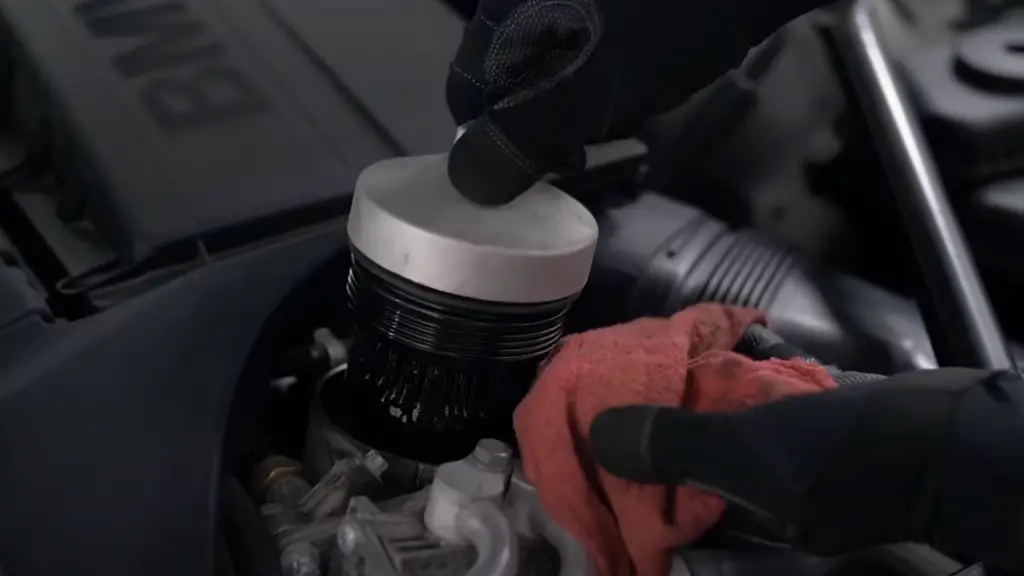
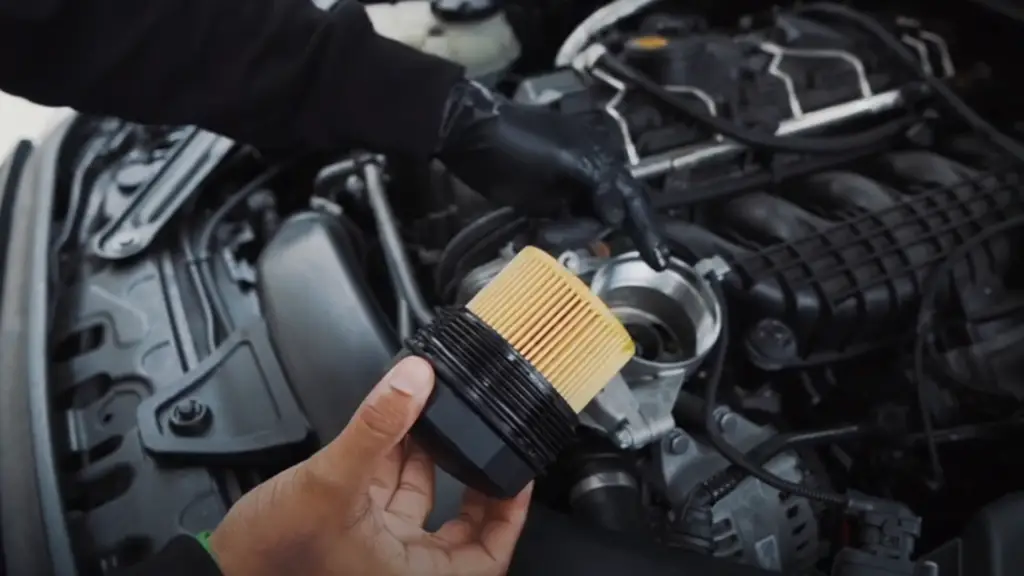
- Use the wrench to remove the old oil filter.
- Lubricate the gasket of the new oil filter with a small amount of fresh oil.
- Install the new oil filter by hand, ensuring it is snug but not over-tightened.
Adding BMW Longlife-17 FE+
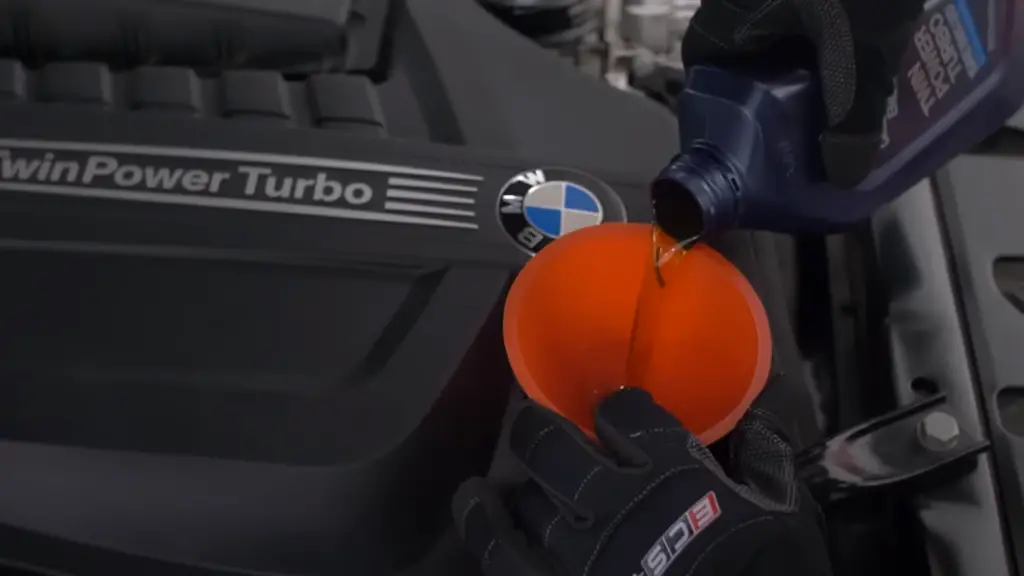
- Locate the oil filler cap on top of the engine.

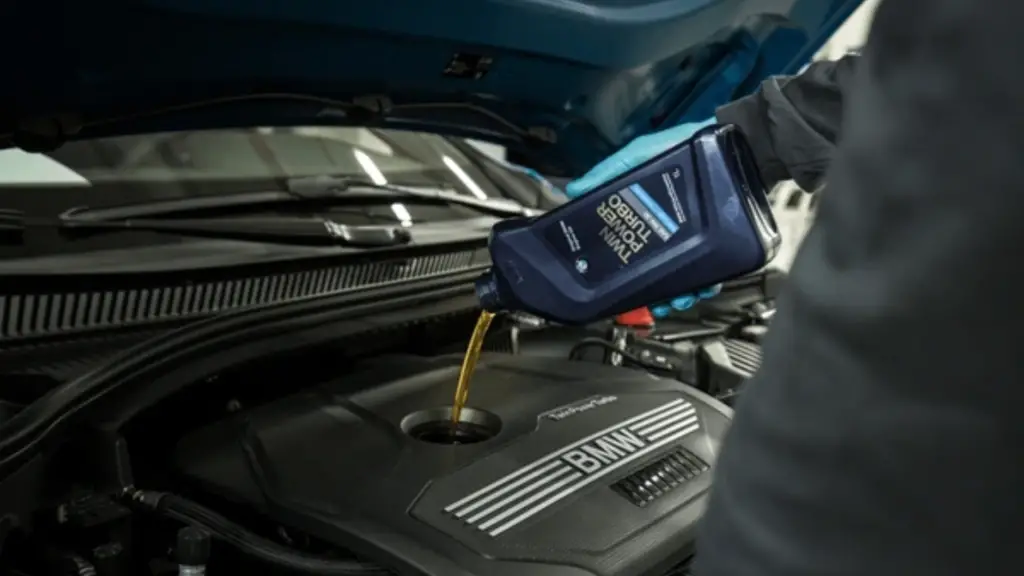
- Pour the recommended amount of BMW Longlife-17 FE+ into the engine.

- Replace the oil filler cap and start the engine to allow the new oil to circulate.

- Check the oil level using the dipstick and add more oil if necessary.

Closing Notes
LL-17 FE+ exists because automakers needed to meet stricter CAFE and EPA requirements, and thinner oil was the most practical way to reduce internal friction and improve fuel economy numbers on the test cycle.
What the technical specifications don’t immediately reveal is how oil manufacturers achieve adequate wear protection with such a thin film. The low HTHS requirement between 2.6 and 2.9 cP creates a challenge because there’s less oil cushion between metal surfaces under load. To compensate, formulations meeting LL-17 FE+ typically use significantly higher concentrations of anti-wear additives, particularly organo-molybdenum complexes (commonly called Moly). These friction modifiers are expensive, which is why genuine LL-17 FE+ approved oils cost more than generic 0W-20 products.
Turbocharger bearings present another concern with low-HTHS oils. Journal bearings in turbos rely on a thick oil film for both load-bearing and cooling. Operating at the 2.6 cP lower boundary brings bearing surfaces closer to their fatigue limits under sustained high load and high temperature conditions. While catastrophic failures remain rare because of the anti-wear additives, the potential for minor micro-pitting increases over time, particularly if you frequently drive hard or tow heavy loads.
This is why oil change interval compliance matters more with LL-17 FE+ than it did with older, thicker specifications like LL-01. Use the right specification, change it on schedule, and understand that these thin oils were designed to meet regulatory requirements first and maximize engine life second.

Related Reads
- List of Approved Oils Meeting VW 508 00 Standard Discover top oils that meet the VW 508 00 standard, ensuring compatibility with BMW Longlife-17 FE+ specifications for optimal engine performance – Read more
- List of Approved Oils Meeting VW 502 00 Standard Explore the best oils approved for VW 502 00, comparing them with BMW Longlife-17 FE+ specifications to keep your engine running smoothly – Find out more
- List of Motor Oils with Chrysler MS-6395 Certification Find out which motor oils meet Chrysler MS-6395 certification and their performance compared to BMW Longlife-17 FE+ oils for superior engine protection – Learn more
- List of Motor Oils That Can Meet LL-01 Check out our list of oils that meet BMW LL-01 specifications and how they compare to BMW Longlife-17 FE+ oils for maintaining your engine’s health – Discover more

Castrol EDGE Euro Car 0W-20
How to Change to BMW Longlife-17 FE+
Switching to BMW Longlife-17 FE+ is a straightforward process, but it is essential to follow the proper steps to ensure optimal results.
Preparation
Before changing the oil, gather all necessary tools and materials, including the correct grade of BMW Longlife-17 FE+, a new oil filter, a wrench, and a drain pan. Make sure the vehicle is on a level surface and the engine is warm to allow for easier oil flow.
Draining the Old Oil
- Place the drain pan under the oil drain plug.
- Use the wrench to remove the drain plug and allow the old oil to drain completely.
- Replace the drain plug securely once all the oil has drained.
Replacing the Oil Filter
- Use the wrench to remove the old oil filter.
- Lubricate the gasket of the new oil filter with a small amount of fresh oil.
- Install the new oil filter by hand, ensuring it is snug but not over-tightened.
Adding BMW Longlife-17 FE+
- Locate the oil filler cap on top of the engine.

- Pour the recommended amount of BMW Longlife-17 FE+ into the engine.

- Replace the oil filler cap and start the engine to allow the new oil to circulate.

- Check the oil level using the dipstick and add more oil if necessary.

Closing Notes
LL-17 FE+ exists because automakers needed to meet stricter CAFE and EPA requirements, and thinner oil was the most practical way to reduce internal friction and improve fuel economy numbers on the test cycle.
What the technical specifications don’t immediately reveal is how oil manufacturers achieve adequate wear protection with such a thin film. The low HTHS requirement between 2.6 and 2.9 cP creates a challenge because there’s less oil cushion between metal surfaces under load. To compensate, formulations meeting LL-17 FE+ typically use significantly higher concentrations of anti-wear additives, particularly organo-molybdenum complexes (commonly called Moly). These friction modifiers are expensive, which is why genuine LL-17 FE+ approved oils cost more than generic 0W-20 products.
Turbocharger bearings present another concern with low-HTHS oils. Journal bearings in turbos rely on a thick oil film for both load-bearing and cooling. Operating at the 2.6 cP lower boundary brings bearing surfaces closer to their fatigue limits under sustained high load and high temperature conditions. While catastrophic failures remain rare because of the anti-wear additives, the potential for minor micro-pitting increases over time, particularly if you frequently drive hard or tow heavy loads.
This is why oil change interval compliance matters more with LL-17 FE+ than it did with older, thicker specifications like LL-01. Use the right specification, change it on schedule, and understand that these thin oils were designed to meet regulatory requirements first and maximize engine life second.

Related Reads
- List of Approved Oils Meeting VW 508 00 Standard Discover top oils that meet the VW 508 00 standard, ensuring compatibility with BMW Longlife-17 FE+ specifications for optimal engine performance – Read more
- List of Approved Oils Meeting VW 502 00 Standard Explore the best oils approved for VW 502 00, comparing them with BMW Longlife-17 FE+ specifications to keep your engine running smoothly – Find out more
- List of Motor Oils with Chrysler MS-6395 Certification Find out which motor oils meet Chrysler MS-6395 certification and their performance compared to BMW Longlife-17 FE+ oils for superior engine protection – Learn more
- List of Motor Oils That Can Meet LL-01 Check out our list of oils that meet BMW LL-01 specifications and how they compare to BMW Longlife-17 FE+ oils for maintaining your engine’s health – Discover more

Castrol EDGE Euro Car 0W-20
How to Change to BMW Longlife-17 FE+
Switching to BMW Longlife-17 FE+ is a straightforward process, but it is essential to follow the proper steps to ensure optimal results.
Preparation
Before changing the oil, gather all necessary tools and materials, including the correct grade of BMW Longlife-17 FE+, a new oil filter, a wrench, and a drain pan. Make sure the vehicle is on a level surface and the engine is warm to allow for easier oil flow.
Draining the Old Oil
- Place the drain pan under the oil drain plug.
- Use the wrench to remove the drain plug and allow the old oil to drain completely.
- Replace the drain plug securely once all the oil has drained.
Replacing the Oil Filter
- Use the wrench to remove the old oil filter.
- Lubricate the gasket of the new oil filter with a small amount of fresh oil.
- Install the new oil filter by hand, ensuring it is snug but not over-tightened.
Adding BMW Longlife-17 FE+
- Locate the oil filler cap on top of the engine.

- Pour the recommended amount of BMW Longlife-17 FE+ into the engine.

- Replace the oil filler cap and start the engine to allow the new oil to circulate.

- Check the oil level using the dipstick and add more oil if necessary.

Closing Notes
LL-17 FE+ exists because automakers needed to meet stricter CAFE and EPA requirements, and thinner oil was the most practical way to reduce internal friction and improve fuel economy numbers on the test cycle.
What the technical specifications don’t immediately reveal is how oil manufacturers achieve adequate wear protection with such a thin film. The low HTHS requirement between 2.6 and 2.9 cP creates a challenge because there’s less oil cushion between metal surfaces under load. To compensate, formulations meeting LL-17 FE+ typically use significantly higher concentrations of anti-wear additives, particularly organo-molybdenum complexes (commonly called Moly). These friction modifiers are expensive, which is why genuine LL-17 FE+ approved oils cost more than generic 0W-20 products.
Turbocharger bearings present another concern with low-HTHS oils. Journal bearings in turbos rely on a thick oil film for both load-bearing and cooling. Operating at the 2.6 cP lower boundary brings bearing surfaces closer to their fatigue limits under sustained high load and high temperature conditions. While catastrophic failures remain rare because of the anti-wear additives, the potential for minor micro-pitting increases over time, particularly if you frequently drive hard or tow heavy loads.
This is why oil change interval compliance matters more with LL-17 FE+ than it did with older, thicker specifications like LL-01. Use the right specification, change it on schedule, and understand that these thin oils were designed to meet regulatory requirements first and maximize engine life second.

Related Reads
- List of Approved Oils Meeting VW 508 00 Standard Discover top oils that meet the VW 508 00 standard, ensuring compatibility with BMW Longlife-17 FE+ specifications for optimal engine performance – Read more
- List of Approved Oils Meeting VW 502 00 Standard Explore the best oils approved for VW 502 00, comparing them with BMW Longlife-17 FE+ specifications to keep your engine running smoothly – Find out more
- List of Motor Oils with Chrysler MS-6395 Certification Find out which motor oils meet Chrysler MS-6395 certification and their performance compared to BMW Longlife-17 FE+ oils for superior engine protection – Learn more
- List of Motor Oils That Can Meet LL-01 Check out our list of oils that meet BMW LL-01 specifications and how they compare to BMW Longlife-17 FE+ oils for maintaining your engine’s health – Discover more

Castrol EDGE Euro Car 0W-20
How to Change to BMW Longlife-17 FE+
Switching to BMW Longlife-17 FE+ is a straightforward process, but it is essential to follow the proper steps to ensure optimal results.
Preparation
Before changing the oil, gather all necessary tools and materials, including the correct grade of BMW Longlife-17 FE+, a new oil filter, a wrench, and a drain pan. Make sure the vehicle is on a level surface and the engine is warm to allow for easier oil flow.
Draining the Old Oil
- Place the drain pan under the oil drain plug.
- Use the wrench to remove the drain plug and allow the old oil to drain completely.
- Replace the drain plug securely once all the oil has drained.
Replacing the Oil Filter
- Use the wrench to remove the old oil filter.
- Lubricate the gasket of the new oil filter with a small amount of fresh oil.
- Install the new oil filter by hand, ensuring it is snug but not over-tightened.
Adding BMW Longlife-17 FE+
- Locate the oil filler cap on top of the engine.

- Pour the recommended amount of BMW Longlife-17 FE+ into the engine.

- Replace the oil filler cap and start the engine to allow the new oil to circulate.

- Check the oil level using the dipstick and add more oil if necessary.

Closing Notes
LL-17 FE+ exists because automakers needed to meet stricter CAFE and EPA requirements, and thinner oil was the most practical way to reduce internal friction and improve fuel economy numbers on the test cycle.
What the technical specifications don’t immediately reveal is how oil manufacturers achieve adequate wear protection with such a thin film. The low HTHS requirement between 2.6 and 2.9 cP creates a challenge because there’s less oil cushion between metal surfaces under load. To compensate, formulations meeting LL-17 FE+ typically use significantly higher concentrations of anti-wear additives, particularly organo-molybdenum complexes (commonly called Moly). These friction modifiers are expensive, which is why genuine LL-17 FE+ approved oils cost more than generic 0W-20 products.
Turbocharger bearings present another concern with low-HTHS oils. Journal bearings in turbos rely on a thick oil film for both load-bearing and cooling. Operating at the 2.6 cP lower boundary brings bearing surfaces closer to their fatigue limits under sustained high load and high temperature conditions. While catastrophic failures remain rare because of the anti-wear additives, the potential for minor micro-pitting increases over time, particularly if you frequently drive hard or tow heavy loads.
This is why oil change interval compliance matters more with LL-17 FE+ than it did with older, thicker specifications like LL-01. Use the right specification, change it on schedule, and understand that these thin oils were designed to meet regulatory requirements first and maximize engine life second.

Related Reads
- List of Approved Oils Meeting VW 508 00 Standard Discover top oils that meet the VW 508 00 standard, ensuring compatibility with BMW Longlife-17 FE+ specifications for optimal engine performance – Read more
- List of Approved Oils Meeting VW 502 00 Standard Explore the best oils approved for VW 502 00, comparing them with BMW Longlife-17 FE+ specifications to keep your engine running smoothly – Find out more
- List of Motor Oils with Chrysler MS-6395 Certification Find out which motor oils meet Chrysler MS-6395 certification and their performance compared to BMW Longlife-17 FE+ oils for superior engine protection – Learn more
- List of Motor Oils That Can Meet LL-01 Check out our list of oils that meet BMW LL-01 specifications and how they compare to BMW Longlife-17 FE+ oils for maintaining your engine’s health – Discover more

Castrol EDGE Euro Car 0W-20
How to Change to BMW Longlife-17 FE+
Switching to BMW Longlife-17 FE+ is a straightforward process, but it is essential to follow the proper steps to ensure optimal results.
Preparation
Before changing the oil, gather all necessary tools and materials, including the correct grade of BMW Longlife-17 FE+, a new oil filter, a wrench, and a drain pan. Make sure the vehicle is on a level surface and the engine is warm to allow for easier oil flow.
Draining the Old Oil
- Place the drain pan under the oil drain plug.
- Use the wrench to remove the drain plug and allow the old oil to drain completely.
- Replace the drain plug securely once all the oil has drained.
Replacing the Oil Filter
- Use the wrench to remove the old oil filter.
- Lubricate the gasket of the new oil filter with a small amount of fresh oil.
- Install the new oil filter by hand, ensuring it is snug but not over-tightened.
Adding BMW Longlife-17 FE+
- Locate the oil filler cap on top of the engine.

- Pour the recommended amount of BMW Longlife-17 FE+ into the engine.

- Replace the oil filler cap and start the engine to allow the new oil to circulate.

- Check the oil level using the dipstick and add more oil if necessary.

Closing Notes
LL-17 FE+ exists because automakers needed to meet stricter CAFE and EPA requirements, and thinner oil was the most practical way to reduce internal friction and improve fuel economy numbers on the test cycle.
What the technical specifications don’t immediately reveal is how oil manufacturers achieve adequate wear protection with such a thin film. The low HTHS requirement between 2.6 and 2.9 cP creates a challenge because there’s less oil cushion between metal surfaces under load. To compensate, formulations meeting LL-17 FE+ typically use significantly higher concentrations of anti-wear additives, particularly organo-molybdenum complexes (commonly called Moly). These friction modifiers are expensive, which is why genuine LL-17 FE+ approved oils cost more than generic 0W-20 products.
Turbocharger bearings present another concern with low-HTHS oils. Journal bearings in turbos rely on a thick oil film for both load-bearing and cooling. Operating at the 2.6 cP lower boundary brings bearing surfaces closer to their fatigue limits under sustained high load and high temperature conditions. While catastrophic failures remain rare because of the anti-wear additives, the potential for minor micro-pitting increases over time, particularly if you frequently drive hard or tow heavy loads.
This is why oil change interval compliance matters more with LL-17 FE+ than it did with older, thicker specifications like LL-01. Use the right specification, change it on schedule, and understand that these thin oils were designed to meet regulatory requirements first and maximize engine life second.

Related Reads
- List of Approved Oils Meeting VW 508 00 Standard Discover top oils that meet the VW 508 00 standard, ensuring compatibility with BMW Longlife-17 FE+ specifications for optimal engine performance – Read more
- List of Approved Oils Meeting VW 502 00 Standard Explore the best oils approved for VW 502 00, comparing them with BMW Longlife-17 FE+ specifications to keep your engine running smoothly – Find out more
- List of Motor Oils with Chrysler MS-6395 Certification Find out which motor oils meet Chrysler MS-6395 certification and their performance compared to BMW Longlife-17 FE+ oils for superior engine protection – Learn more
- List of Motor Oils That Can Meet LL-01 Check out our list of oils that meet BMW LL-01 specifications and how they compare to BMW Longlife-17 FE+ oils for maintaining your engine’s health – Discover more

Castrol EDGE Euro Car 0W-20
How to Change to BMW Longlife-17 FE+
Switching to BMW Longlife-17 FE+ is a straightforward process, but it is essential to follow the proper steps to ensure optimal results.
Preparation
Before changing the oil, gather all necessary tools and materials, including the correct grade of BMW Longlife-17 FE+, a new oil filter, a wrench, and a drain pan. Make sure the vehicle is on a level surface and the engine is warm to allow for easier oil flow.
Draining the Old Oil
- Place the drain pan under the oil drain plug.
- Use the wrench to remove the drain plug and allow the old oil to drain completely.
- Replace the drain plug securely once all the oil has drained.
Replacing the Oil Filter
- Use the wrench to remove the old oil filter.
- Lubricate the gasket of the new oil filter with a small amount of fresh oil.
- Install the new oil filter by hand, ensuring it is snug but not over-tightened.
Adding BMW Longlife-17 FE+
- Locate the oil filler cap on top of the engine.

- Pour the recommended amount of BMW Longlife-17 FE+ into the engine.

- Replace the oil filler cap and start the engine to allow the new oil to circulate.

- Check the oil level using the dipstick and add more oil if necessary.

Closing Notes
LL-17 FE+ exists because automakers needed to meet stricter CAFE and EPA requirements, and thinner oil was the most practical way to reduce internal friction and improve fuel economy numbers on the test cycle.
What the technical specifications don’t immediately reveal is how oil manufacturers achieve adequate wear protection with such a thin film. The low HTHS requirement between 2.6 and 2.9 cP creates a challenge because there’s less oil cushion between metal surfaces under load. To compensate, formulations meeting LL-17 FE+ typically use significantly higher concentrations of anti-wear additives, particularly organo-molybdenum complexes (commonly called Moly). These friction modifiers are expensive, which is why genuine LL-17 FE+ approved oils cost more than generic 0W-20 products.
Turbocharger bearings present another concern with low-HTHS oils. Journal bearings in turbos rely on a thick oil film for both load-bearing and cooling. Operating at the 2.6 cP lower boundary brings bearing surfaces closer to their fatigue limits under sustained high load and high temperature conditions. While catastrophic failures remain rare because of the anti-wear additives, the potential for minor micro-pitting increases over time, particularly if you frequently drive hard or tow heavy loads.
This is why oil change interval compliance matters more with LL-17 FE+ than it did with older, thicker specifications like LL-01. Use the right specification, change it on schedule, and understand that these thin oils were designed to meet regulatory requirements first and maximize engine life second.

Related Reads
- List of Approved Oils Meeting VW 508 00 Standard Discover top oils that meet the VW 508 00 standard, ensuring compatibility with BMW Longlife-17 FE+ specifications for optimal engine performance – Read more
- List of Approved Oils Meeting VW 502 00 Standard Explore the best oils approved for VW 502 00, comparing them with BMW Longlife-17 FE+ specifications to keep your engine running smoothly – Find out more
- List of Motor Oils with Chrysler MS-6395 Certification Find out which motor oils meet Chrysler MS-6395 certification and their performance compared to BMW Longlife-17 FE+ oils for superior engine protection – Learn more
- List of Motor Oils That Can Meet LL-01 Check out our list of oils that meet BMW LL-01 specifications and how they compare to BMW Longlife-17 FE+ oils for maintaining your engine’s health – Discover more

Castrol EDGE Euro Car 0W-20
How to Change to BMW Longlife-17 FE+
Switching to BMW Longlife-17 FE+ is a straightforward process, but it is essential to follow the proper steps to ensure optimal results.
Preparation
Before changing the oil, gather all necessary tools and materials, including the correct grade of BMW Longlife-17 FE+, a new oil filter, a wrench, and a drain pan. Make sure the vehicle is on a level surface and the engine is warm to allow for easier oil flow.
Draining the Old Oil
- Place the drain pan under the oil drain plug.
- Use the wrench to remove the drain plug and allow the old oil to drain completely.
- Replace the drain plug securely once all the oil has drained.
Replacing the Oil Filter
- Use the wrench to remove the old oil filter.
- Lubricate the gasket of the new oil filter with a small amount of fresh oil.
- Install the new oil filter by hand, ensuring it is snug but not over-tightened.
Adding BMW Longlife-17 FE+
- Locate the oil filler cap on top of the engine.

- Pour the recommended amount of BMW Longlife-17 FE+ into the engine.

- Replace the oil filler cap and start the engine to allow the new oil to circulate.

- Check the oil level using the dipstick and add more oil if necessary.

Closing Notes
LL-17 FE+ exists because automakers needed to meet stricter CAFE and EPA requirements, and thinner oil was the most practical way to reduce internal friction and improve fuel economy numbers on the test cycle.
What the technical specifications don’t immediately reveal is how oil manufacturers achieve adequate wear protection with such a thin film. The low HTHS requirement between 2.6 and 2.9 cP creates a challenge because there’s less oil cushion between metal surfaces under load. To compensate, formulations meeting LL-17 FE+ typically use significantly higher concentrations of anti-wear additives, particularly organo-molybdenum complexes (commonly called Moly). These friction modifiers are expensive, which is why genuine LL-17 FE+ approved oils cost more than generic 0W-20 products.
Turbocharger bearings present another concern with low-HTHS oils. Journal bearings in turbos rely on a thick oil film for both load-bearing and cooling. Operating at the 2.6 cP lower boundary brings bearing surfaces closer to their fatigue limits under sustained high load and high temperature conditions. While catastrophic failures remain rare because of the anti-wear additives, the potential for minor micro-pitting increases over time, particularly if you frequently drive hard or tow heavy loads.
This is why oil change interval compliance matters more with LL-17 FE+ than it did with older, thicker specifications like LL-01. Use the right specification, change it on schedule, and understand that these thin oils were designed to meet regulatory requirements first and maximize engine life second.

Related Reads
- List of Approved Oils Meeting VW 508 00 Standard Discover top oils that meet the VW 508 00 standard, ensuring compatibility with BMW Longlife-17 FE+ specifications for optimal engine performance – Read more
- List of Approved Oils Meeting VW 502 00 Standard Explore the best oils approved for VW 502 00, comparing them with BMW Longlife-17 FE+ specifications to keep your engine running smoothly – Find out more
- List of Motor Oils with Chrysler MS-6395 Certification Find out which motor oils meet Chrysler MS-6395 certification and their performance compared to BMW Longlife-17 FE+ oils for superior engine protection – Learn more
- List of Motor Oils That Can Meet LL-01 Check out our list of oils that meet BMW LL-01 specifications and how they compare to BMW Longlife-17 FE+ oils for maintaining your engine’s health – Discover more

Castrol EDGE Euro Car 0W-20
How to Change to BMW Longlife-17 FE+
Switching to BMW Longlife-17 FE+ is a straightforward process, but it is essential to follow the proper steps to ensure optimal results.
Preparation
Before changing the oil, gather all necessary tools and materials, including the correct grade of BMW Longlife-17 FE+, a new oil filter, a wrench, and a drain pan. Make sure the vehicle is on a level surface and the engine is warm to allow for easier oil flow.
Draining the Old Oil
- Place the drain pan under the oil drain plug.
- Use the wrench to remove the drain plug and allow the old oil to drain completely.
- Replace the drain plug securely once all the oil has drained.
Replacing the Oil Filter
- Use the wrench to remove the old oil filter.
- Lubricate the gasket of the new oil filter with a small amount of fresh oil.
- Install the new oil filter by hand, ensuring it is snug but not over-tightened.
Adding BMW Longlife-17 FE+
- Locate the oil filler cap on top of the engine.

- Pour the recommended amount of BMW Longlife-17 FE+ into the engine.

- Replace the oil filler cap and start the engine to allow the new oil to circulate.

- Check the oil level using the dipstick and add more oil if necessary.

Closing Notes
LL-17 FE+ exists because automakers needed to meet stricter CAFE and EPA requirements, and thinner oil was the most practical way to reduce internal friction and improve fuel economy numbers on the test cycle.
What the technical specifications don’t immediately reveal is how oil manufacturers achieve adequate wear protection with such a thin film. The low HTHS requirement between 2.6 and 2.9 cP creates a challenge because there’s less oil cushion between metal surfaces under load. To compensate, formulations meeting LL-17 FE+ typically use significantly higher concentrations of anti-wear additives, particularly organo-molybdenum complexes (commonly called Moly). These friction modifiers are expensive, which is why genuine LL-17 FE+ approved oils cost more than generic 0W-20 products.
Turbocharger bearings present another concern with low-HTHS oils. Journal bearings in turbos rely on a thick oil film for both load-bearing and cooling. Operating at the 2.6 cP lower boundary brings bearing surfaces closer to their fatigue limits under sustained high load and high temperature conditions. While catastrophic failures remain rare because of the anti-wear additives, the potential for minor micro-pitting increases over time, particularly if you frequently drive hard or tow heavy loads.
This is why oil change interval compliance matters more with LL-17 FE+ than it did with older, thicker specifications like LL-01. Use the right specification, change it on schedule, and understand that these thin oils were designed to meet regulatory requirements first and maximize engine life second.

Related Reads
- List of Approved Oils Meeting VW 508 00 Standard Discover top oils that meet the VW 508 00 standard, ensuring compatibility with BMW Longlife-17 FE+ specifications for optimal engine performance – Read more
- List of Approved Oils Meeting VW 502 00 Standard Explore the best oils approved for VW 502 00, comparing them with BMW Longlife-17 FE+ specifications to keep your engine running smoothly – Find out more
- List of Motor Oils with Chrysler MS-6395 Certification Find out which motor oils meet Chrysler MS-6395 certification and their performance compared to BMW Longlife-17 FE+ oils for superior engine protection – Learn more
- List of Motor Oils That Can Meet LL-01 Check out our list of oils that meet BMW LL-01 specifications and how they compare to BMW Longlife-17 FE+ oils for maintaining your engine’s health – Discover more

Castrol EDGE Euro Car 0W-20
How to Change to BMW Longlife-17 FE+
Switching to BMW Longlife-17 FE+ is a straightforward process, but it is essential to follow the proper steps to ensure optimal results.
Preparation
Before changing the oil, gather all necessary tools and materials, including the correct grade of BMW Longlife-17 FE+, a new oil filter, a wrench, and a drain pan. Make sure the vehicle is on a level surface and the engine is warm to allow for easier oil flow.
Draining the Old Oil
- Place the drain pan under the oil drain plug.
- Use the wrench to remove the drain plug and allow the old oil to drain completely.
- Replace the drain plug securely once all the oil has drained.
Replacing the Oil Filter
- Use the wrench to remove the old oil filter.
- Lubricate the gasket of the new oil filter with a small amount of fresh oil.
- Install the new oil filter by hand, ensuring it is snug but not over-tightened.
Adding BMW Longlife-17 FE+
- Locate the oil filler cap on top of the engine.

- Pour the recommended amount of BMW Longlife-17 FE+ into the engine.

- Replace the oil filler cap and start the engine to allow the new oil to circulate.

- Check the oil level using the dipstick and add more oil if necessary.

Closing Notes
LL-17 FE+ exists because automakers needed to meet stricter CAFE and EPA requirements, and thinner oil was the most practical way to reduce internal friction and improve fuel economy numbers on the test cycle.
What the technical specifications don’t immediately reveal is how oil manufacturers achieve adequate wear protection with such a thin film. The low HTHS requirement between 2.6 and 2.9 cP creates a challenge because there’s less oil cushion between metal surfaces under load. To compensate, formulations meeting LL-17 FE+ typically use significantly higher concentrations of anti-wear additives, particularly organo-molybdenum complexes (commonly called Moly). These friction modifiers are expensive, which is why genuine LL-17 FE+ approved oils cost more than generic 0W-20 products.
Turbocharger bearings present another concern with low-HTHS oils. Journal bearings in turbos rely on a thick oil film for both load-bearing and cooling. Operating at the 2.6 cP lower boundary brings bearing surfaces closer to their fatigue limits under sustained high load and high temperature conditions. While catastrophic failures remain rare because of the anti-wear additives, the potential for minor micro-pitting increases over time, particularly if you frequently drive hard or tow heavy loads.
This is why oil change interval compliance matters more with LL-17 FE+ than it did with older, thicker specifications like LL-01. Use the right specification, change it on schedule, and understand that these thin oils were designed to meet regulatory requirements first and maximize engine life second.

Related Reads
- List of Approved Oils Meeting VW 508 00 Standard Discover top oils that meet the VW 508 00 standard, ensuring compatibility with BMW Longlife-17 FE+ specifications for optimal engine performance – Read more
- List of Approved Oils Meeting VW 502 00 Standard Explore the best oils approved for VW 502 00, comparing them with BMW Longlife-17 FE+ specifications to keep your engine running smoothly – Find out more
- List of Motor Oils with Chrysler MS-6395 Certification Find out which motor oils meet Chrysler MS-6395 certification and their performance compared to BMW Longlife-17 FE+ oils for superior engine protection – Learn more
- List of Motor Oils That Can Meet LL-01 Check out our list of oils that meet BMW LL-01 specifications and how they compare to BMW Longlife-17 FE+ oils for maintaining your engine’s health – Discover more
BMW Longlife-17 FE+ is a fully synthetic engine oil specification that BMW introduced in 2017 to meet stricter fuel economy standards and emissions requirements. If you’re driving a modern BMW with a four-cylinder or six-cylinder gasoline engine built from 2014 onward, there’s a good chance your engine was designed to run on LL-17.
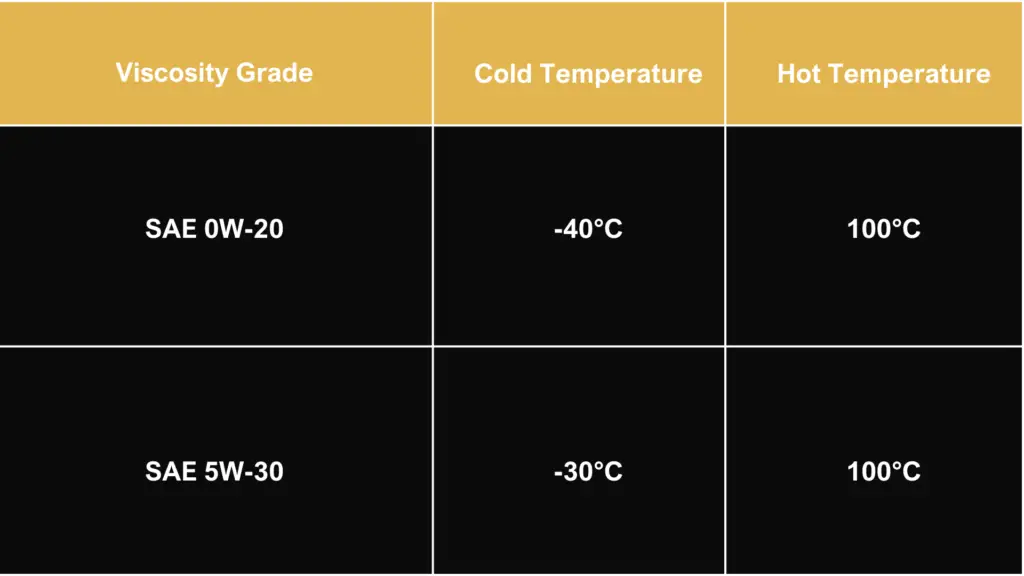
The specification uses 0W-20 viscosity, which is significantly thinner than the older LL-01 oils that many BMW owners became familiar with over the years.
What makes LL-17 FE+ particularly important is its formulation for engines equipped with Gasoline Particulate Filters (GPF), also called Petrol Particulate Filters (PPF) in some markets. These filters capture soot particles from the exhaust, similar to diesel particulate filters, but they require oil with specific chemical properties to avoid clogging.
The “FE+” designation stands for Fuel Economy Plus, which tells you exactly what BMW prioritized when developing this specification. You’ll find LL-17 FE+ approved for most B-series engines (B46, B48, B58) and some late-production N20 and N26 engines.
Technical Specifications of LL-17 FE+
Chemical Composition
Engine Compatibility
Recommended Oils
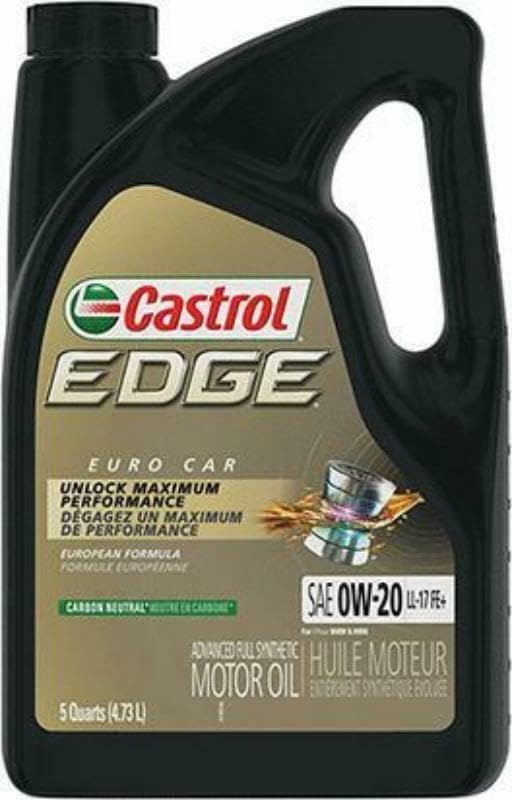
Castrol EDGE Euro Car LL IV FE 0W-20
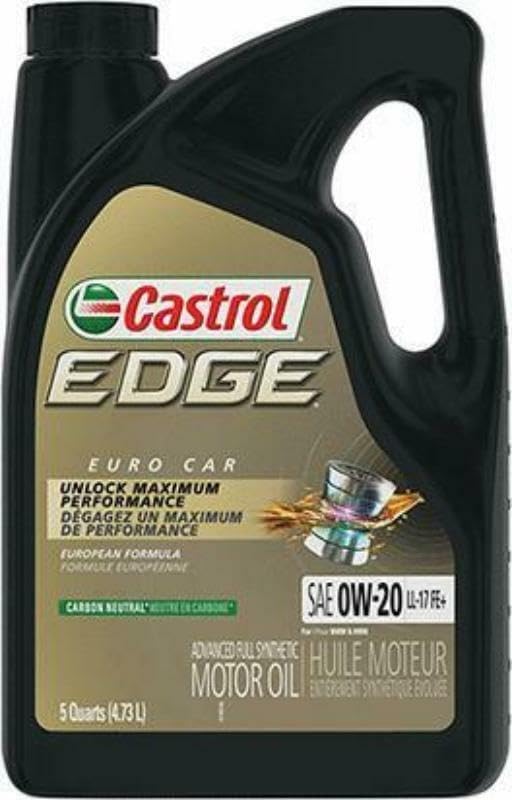
Castrol EDGE Euro Car LL IV FE 0W-20
Castrol Edge Professional LL IV FE 0W-20 is an approved BMW LL-17 FE+ equivalent that also carries official approvals from Volkswagen, Porsche, and Mercedes-Benz. This is a fully synthetic 0W-20 oil built around Castrol’s Titanium FST (Fluid Strength Technology) additive package, which the company claims doubles film strength to prevent oil breakdown under high shear conditions.
The oil meets ACEA C5 and C6 specifications, which means it uses a mid-SAPS formulation designed for engines with gasoline particulate filters. The sulphated ash content sits at 0.76% by weight, keeping ash accumulation in the GPF manageable over extended drain intervals. At 100°C, the kinematic viscosity measures 8.0 mm²/s, with a viscosity index of 165 that helps maintain stable protection across temperature ranges.
The Cold Cranking Simulator viscosity at -35°C comes in at 4,100 mPa.s, with a pour point of -48°C. This guarantees oil flow during cold starts even in extreme winter conditions. The flash point of 196°C provides good resistance to volatility at high operating temperatures.
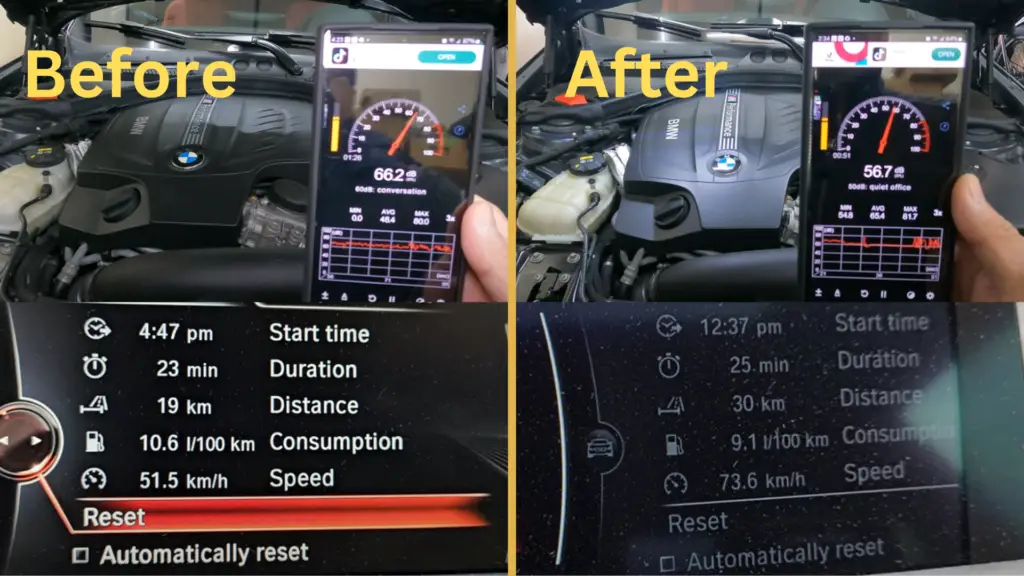
Castrol formulated this oil specifically for modern turbocharged engines running tight tolerances and low-viscosity requirements. The ACEA C5 base means it delivers the fuel economy improvements that automakers need to meet CAFE standards while providing adequate film strength under load.
The oil also meets API SQ and ILSAC GF-7 specifications, which are the current North American standards for gasoline engine oils. Castrol warrants it as suitable for BMW Longlife-14 FE+ applications as well, though LL-17 FE+ is the primary specification.
Other manufacturer approvals and compatibilities:
- Volkswagen Group: VW 508 00 / 509 00
- Porsche: C20
- Mercedes-Benz: MB-Approval 229.71 / 229.72
Meets specifications: Chrysler MS-6395, Ford WSS-M2C956-A1
BMW TwinPower Turbo Longlife-17 FE+ 0W-20
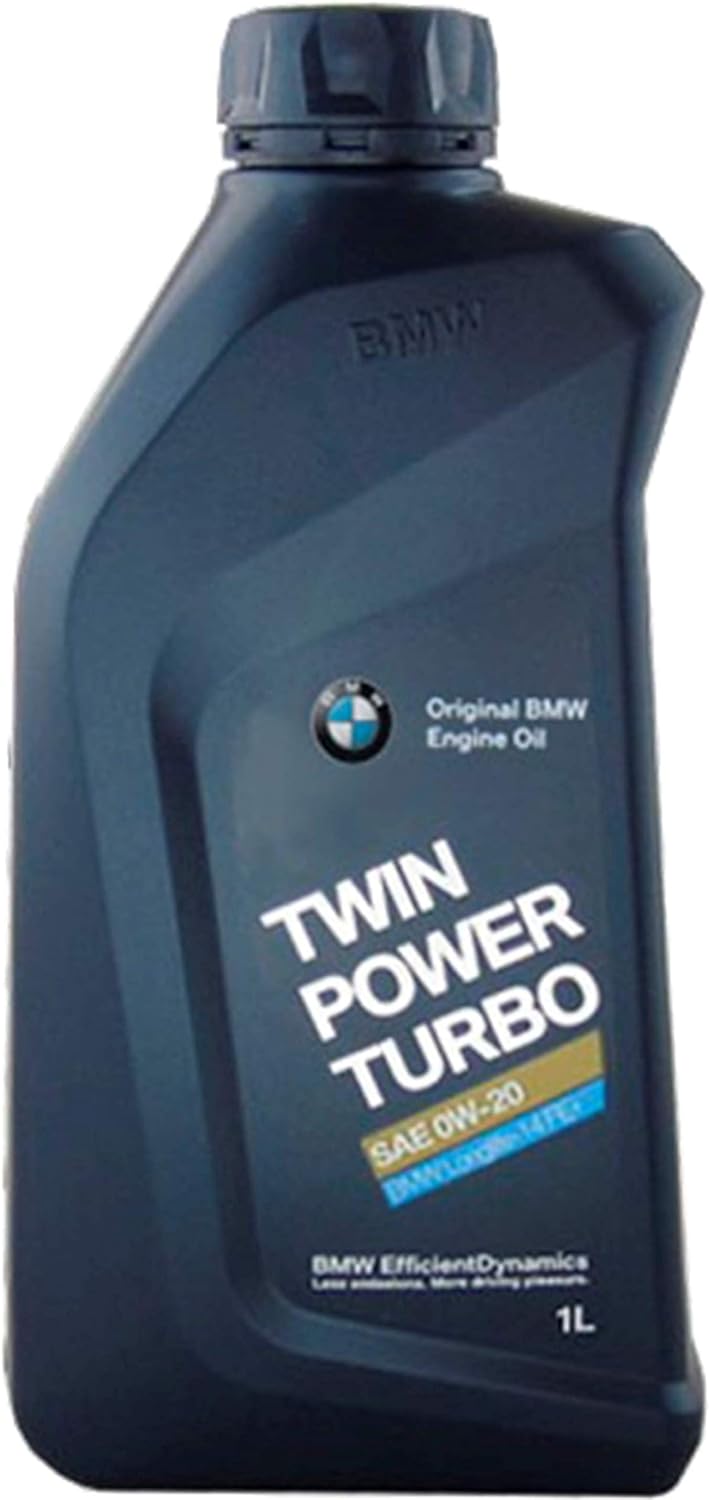
BMW SAE 0W-20 Full Synthetic Motor Oil
BMW TwinPower Turbo Longlife-17 FE+ 0W-20 is the OEM-spec oil for modern BMW gasoline engines, manufactured by Shell under BMW’s part number 83-21-2-461-988. This is the oil your dealership uses for warranty service. It is formulated specifically around Shell’s PurePlus technology, which uses gas-to-liquid (GTL) synthetic base stock.
The GTL base provides lower volatility than conventional synthetic oils, which means less evaporation at high temperatures. For direct injection engines, this matters because lower volatility helps reduce carbon buildup on intake valves. The oil meets BMW Longlife-17 FE+ specification along with API SP and ACEA C5 standards, which confirms it uses the mid-SAPS additive package required for engines with gasoline particulate filters.
BMW designed this oil for engines including the B46A, B48, B58, and N20 families found in 2, 3, 4, 5, 7 Series and X and Z series vehicles from 2011 to 2025. The formulation includes detergents and dispersants to prevent sludge formation and maintain engine cleanliness over extended drain intervals.