Using the wrong viscosity can wear down engine parts faster, hurt your gas mileage, and in some cases lead to costly repairs.
While both oils offer identical protection once your engine warms up, 0W-20 is the better choice for freezing winter conditions. However, 5W-20 remains a reliable, budget-friendly option for older engines in milder climates.
Which 0w20 engine oil should you buy?
If you already know you need 0W-20, these are some of the more popular options.
Mobil 1 Advanced Fuel Economy 0W-20

Mobil 1 Advanced Fuel Economy 0W-20
Mobil claims 50% better wear protection than industry standards require, plus up to a 2% improvement in fuel economy.
AMSOIL Signature Series 0W-20

AMSOIL Signature Series 0W-20 Synthetic
AMSOIL claims 75% more engine protection than industry standards require and longer intervals between oil changes.
Pennzoil Platinum or Ultra Platinum 0W-20

Pennzoil Platinum 0W-20
Made from natural gas. Pennzoil says this keeps pistons cleaner and helps the oil perform better in cold weather.
Pennzoil tends to edge out Castrol here. It’s noted for keeping pistons cleaner and holding up better in cold starts. See this Pennzoil vs Castrol comparison for the full breakdown.
Castrol EDGE 0W-20

Castrol EDGE 0W-20 Advanced Synthetic
Castrol claims its Titanium technology gives the oil a 40% stronger oil film under pressure.
Valvoline MaxLife 0W-20

Valvoline MaxLife EP High Mileage 0W-20
Formulated for newer, turbocharged engines that need extra wear protection. See how it stacks up in this Valvoline vs Mobil 1 comparison.
Which 5w20 engine oil should you buy?
If you’ve decided to choose 5W-20, here are a few options worth considering.
Royal Purple HMX 5W-20

Royal Purple HMX High Mileage 5W-20
A high-mileage formula with seal conditioners meant to reduce leaks in older engines.
Which 5W-20 oil should you buy?
If 5W-20 is the right call for your car, these are worth a look, from premium picks to budget-friendly options that still meet modern standards.
Pennzoil Ultra Platinum
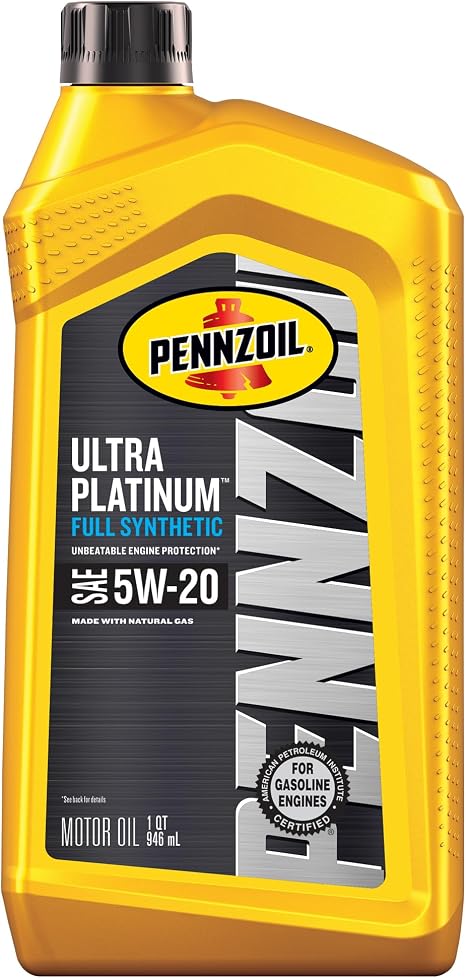
Pennzoil Ultra Platinum 5W-20
Made from natural gas. Drivers report it runs noticeably quieter and keeps pistons cleaner, and it’s a popular pick for engines like the 5.7 Hemi. It is a popular pick to protect a 5.7 Hemi engine.
Redline 5w20

Red Line 5W-20 Full Synthetic
Uses high-end ester base stocks, which makes it stable and clean-running. A common choice for drivers trying to quiet down mechanical noise like the “Hemi tick.”
Mobil 1 High Mileage

Mobil 1 Extended Performance High Mileage 5W-20
Built specifically for engines with over 75,000 miles, from a brand with a long track record for
Valvoline MaxLife / High Mileage

Valvoline MaxLife High Mileage 5W-20
Built to seal minor leaks and reduce oil burn in older engines. The “Restore and Protect” formula is aimed at extending the life of higher-mileage cars.
One more thing worth knowing: the oil filter matters almost as much as the oil itself. A quality filter like a Wix XP or Napa Platinum makes a real difference regardless of which brand you pick.
Why does 0W-20 flow faster in cold weather
The W stands for winte. The number before the W tells you how the oil flows when it’s cold. Lower means thinner, and thinner oil moves faster through your engine at startup.
The number after the W, like the 20 in 0W-20, is how thick the oil is once your engine is warm. Both 0W-20 and 5W-20 reach the same thickness at normal operating temperature. The difference is only in how they behave before that.
0W-20 stays pumpable down to about -35°F. 5W-20 starts to thicken around -25°F. In extreme cold, 0W-20 flows roughly 35% faster, reaching your engine’s moving parts about 2.5 seconds sooner after startup.
That gap matters because a large share of engine wear happens in the first few seconds before oil fully coats those parts.
Some sources put that wear reduction as high as 47% compared to thicker oils, though that figure isn’t tied to a single clear study.
Does 0W-20 actually save you money on gas?
Thinner oil creates less friction, which means a small fuel economy gain, usually 0.5% to 2% over 5W-20. Over a year, that can add up to $150 to $450 in savings depending on how much you drive.
Hybrids benefit most, since their engines cycle on and off constantly and go through far more cold starts than a typical gas engine.
Where 5W-20 has the advantage
0W-20 isn’t the better choice in every situation. 5W-20 usually costs $3 to $5 less per quart, which adds up over a car’s lifetime.
It also has lower volatility, meaning it burns off less at high temperatures. In practice that can mean around 15% lower oil consumption between changes compared to 0W-20.
5W-20 is also often the better fit for high-mileage engines. Once a car passes 200,000 miles, some mechanics recommend a slightly heavier oil to help maintain oil pressure and reduce consumption in worn engines.
If your car was built before 0W-20 became standard, 5W-20 is likely what it was designed and tested on.
Can you switch between 5w20 and 0w20?
Generally yes, with conditions. If your owner’s manual lists both grades as acceptable, switching between them is fine.
Some drivers run 0W-20 in winter and 5W-20 in summer for that reason. Mixing the two in the same engine isn’t a problem either, since both behave as 20-weight oils once warm.
The one exception: if your manufacturer requires 0W-20 specifically, switching to 5W-20 can affect your warranty and may trigger a check engine light or limp mode in cars with sensitive VVT systems.
Closing Notes
If your car allows both, 0W-20 gives you slightly better cold-start protection and a small fuel economy edge.
5W-20 costs less, burns less oil over time, and remains a solid choice for older engines and milder climates. Neither is the wrong answer. Your car’s manual takes the final word.